 Insider · Tech Breaking

By November 16, 2026 / 10:51 PM CST / CBS Minnesota Add CBS News on Google This year's flu season isn't waiting for the holidays to hit hard. Hospitalizations are up significantly in Minnesota compared to recent years. An important indicator of how flu season is progressing is how many patients wind up in the hospital.
That can give you an idea of the severity and the spread. The latest numbers from the Minnesota Department of Health show 166 hospitalizations from the virus so far this season. But at this same point in the last two years, the number was just 10.
In an effort to figure out why the flu season is ramping up so early, WCCO spoke with Melissa McMahon, an influenza surveillance epidemiologist at MDH. "One thing that I think has been kind of an issue in many seasons, the last several, we're still seeing vaccination rates lower than what they used to be before the pandemic," McMahon said. The U.S. flu vaccination rate for the 2019-2020 season was nearly 64% for children and 50% for adults, both marking 10-year highs at the time, according to data from the Centers for Disease Control and Prevention .
Since then, both rates have dropped to their lowest point in 15 years. The rate for children in 2025-2026 was 50.2%, while the rate for adults was 41.9%. "And the less people get influenza vaccine, the more influenza tends to spread around," McMahon said.
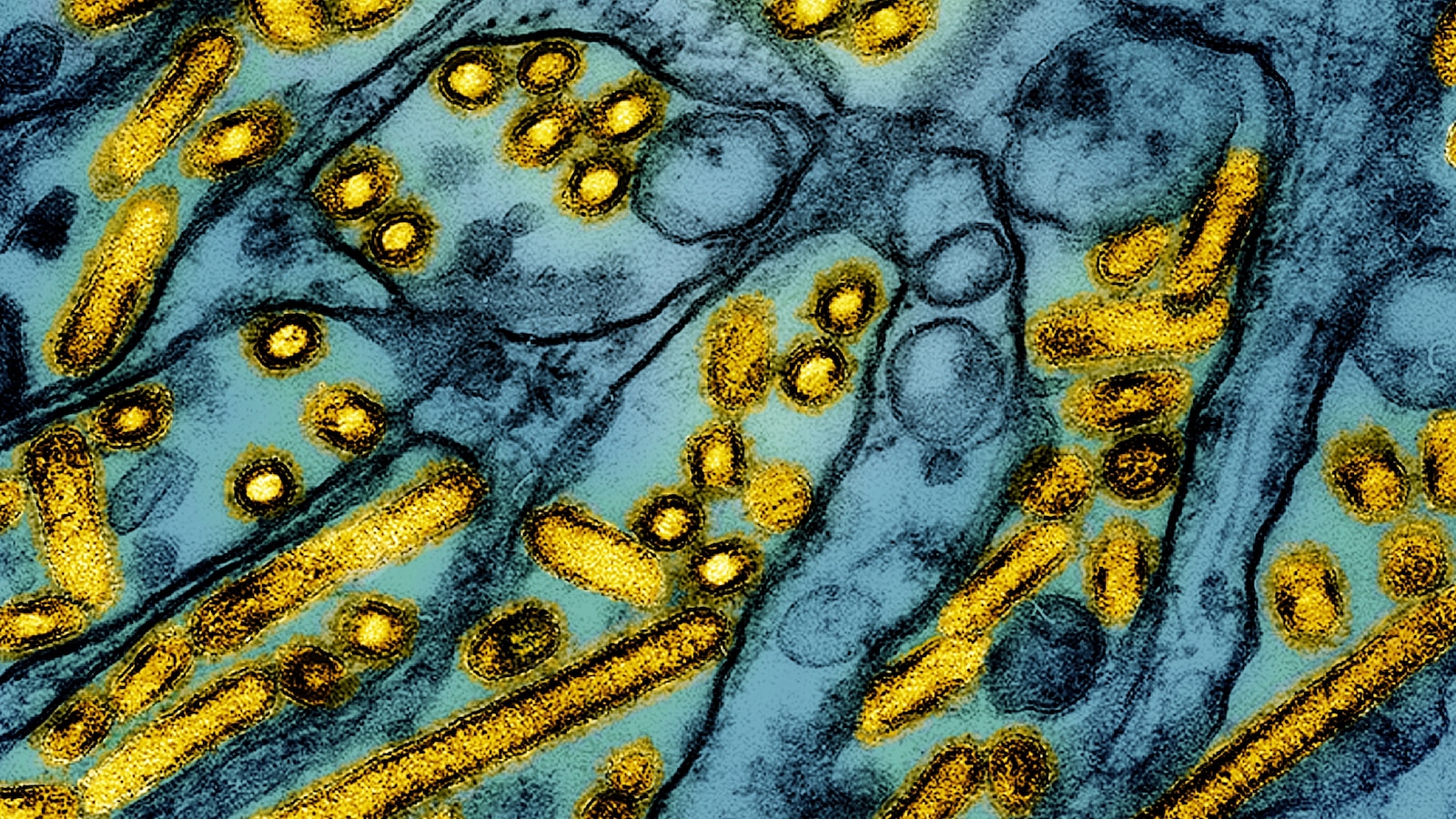
That trend is only part of the equation. The next is the main flu strain that's spreading, H1N1. Most recently known as the virus behind the 2009 swine flu epidemic, H1N1 is the dominant strain so far this season.
H1N1 is present most years; however, this version has a slight mutation. "Whenever we kind of see those variations, we do tend to see a little uptick in numbers just because the immune system is not quite as well adapted to fight that particular strain off as it is strains that we've seen year in, year out," McMahon said. Although transmission is higher than usual for this time of year, McMahon said we've yet to hit our peak.
That usually happens after Thanksgiving, a time when families gather indoors, accelerating the flu's spread. "We usually see hundreds of hospitalizations," McMahon said of a typical peak. Also, unique this year is who's getting sick.
McMahon said flu typically spreads first among kids in schools. "But this year, it's really been concentrated to those older age groups, and we haven't seen a lot of activity in children just yet," she said. With the holidays approaching, health officials still point to the flu shot as the best remedy for slowing the spread despite the strain's mutation.
"There haven't been a ton of changes to [H1N1] since 2009. And so, our vaccine is able to protect against H1N1 fairly well," McMahon said. It takes about two weeks for the flu vaccine to become fully effective, but it does offer some protection right after you get it.
In: Health Centers for Disease Control and Prevention Flu Season
Source: CBS News